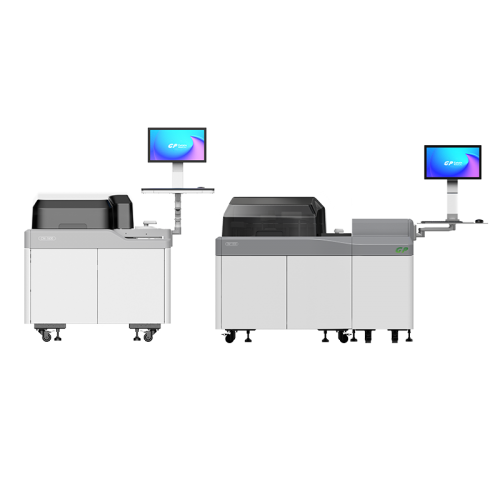
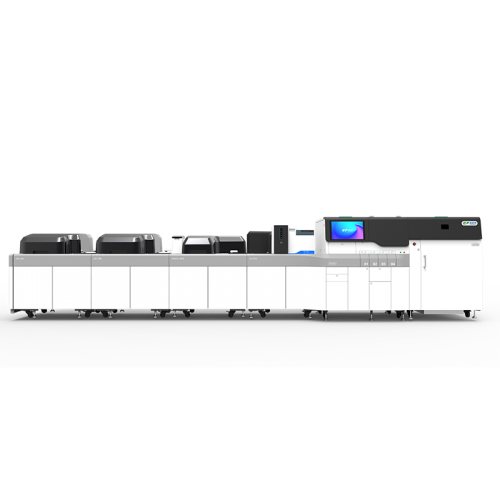
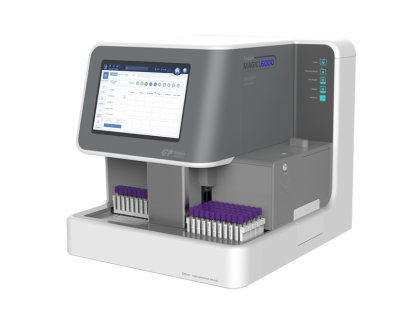
Key Features Automatic Utilizes an automated and streamlined workflow design to significantly reduce manual operational load Independent emergency track, striving for more treatment time Flexible Flexible expansion enables the combination and collaboration of 1-4 modules Optional choice for CS 700 post-analytical module (Storage, retrieval and disposal) Compact Metis 7000 takes up only 2.5 m2 for two modules (without post-analytical module) Only increasing 1.0 m2 for adding 1 more analytical module Intelligent Optional CS 700 post-analytical module unit can realize: Automated temperature-controlled cold storage for test tubes, quality controls, and calibrators Positioning recognition and automated transfer of sample trays Automatic disposal of expired or waste samples Application Scenarios Hospital Labs Diagnostic Centers Check-up Centers Test Menu Techinical Specifications CA 5700 Coagulation Module Methodology: Clot, chromogenic and immunoturbidimetric principles Throughput: 400 T/H Reagent Positions: 40 tilted reagent positions (refrigerated), 5 tilted dilution positions (room temperature) Dimensions: 1100 mm (L) x 843 mm (W) x 1325 mm (H) MAGICL 8500 Immunochemistry Module Test Principle: Acridinium ester direct chemiluminescence Throughput: Up to 600 T/H Fastest Time of First Result: 12 min Using RFID to dynamically update reagent status Tilt-pour test cup loading, maximum capacity of 2000 units Dimensions: 1152 mm (L) x 873 mm (W) x 1232 mm (H) CM-1600 Clinical Chemistry Module Throughput: Constant speed of 1600 T/H; optional ISE module: 600 T/H Testing up to 66 items at the same time (ISE included) Reagent Positions: 107 Sample needle ultrasonic washing Acid solution, alkaline solution, 8-step warm water washing Dimensions: 1100 mm (L) x 873 mm (W) x 1220 mm (H)
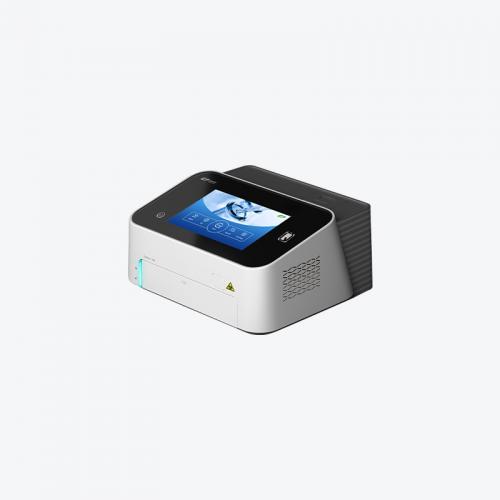
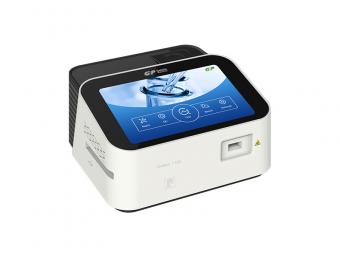
Key Features Multiple channels High throughput, 8 channels available (7 test channels + 1 emergency test channel) Multiple test items can be tested at the same time, saving operation time Constant Temperature Providing steady test environment with more accurate test results Easy Operation Android system, touch screen lmmediate edit of sample and patients' info. Convenient for viewing test results RFID card calibration, touch for recognition WIFI connection, easy for data transmission None Contamination Waste container is set in the equipment, avoiding medical contamination Application Scenarios ICU Laboratory Emergency Clinic Test Menu Technical Specifications Dimensions: 409 mm × 344 mm × 193 mm (W × D × H) Weight: 9 kg Printer: Real-time auto-printing, support for external printer Display: 10.1'' LCD touch screen Connectivity: Ethernet port for LIS/HIS COM port for PC ;2 USB ports for software update and file copy Calibration: RFID Card Calibration Sample Type: serum, plasma, whole blood, capillary blood, urine, swab, saliva, stool Sample Volume: 10 ~ 200 μL depending on the assay Language: English/Spanish/Chinese Cases Storage: Over 100,000 test cases Repeatability: CV ≤ 2% within range [100, 15000] mV; CV ≤ 10% within range [0, 100) mV
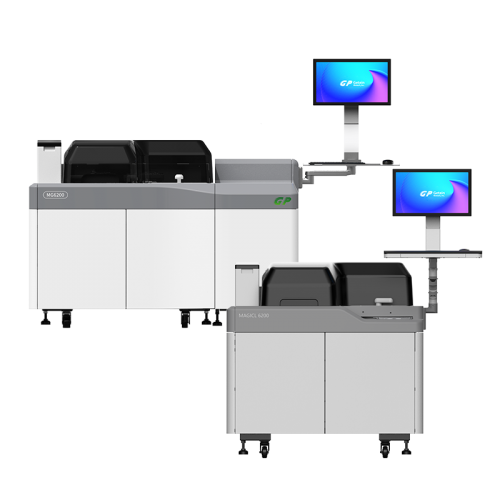
Key Features Fast And accurate tests with small footprint High throughput at 400 T/H can satisfy needs from different hospitals and laboratories Compact footprint, maximizing space utilization efficiency Flexible expansion for modular system Support expansion of centrifuge and decapper module / analysis modules Flexible combination of 4 analysis modules at most, fulfilling requirements from multiple laboratories High automation level Automatic sample loading and scanning, automatic weight balanced in centrifuge module without manual operation Intelligent software system Support auto-dilution and auto-retests Monitor real-time instrument status, testing status, reagent reserve and consumables status Application Scenarios Medical Laboratories Independent Clinical Laboratory Health Check-up Center Test Menu Technical Specifications Methodology: Acridinium ester direct chemiluminescence Analysis Methods: Sandwich method, competition method Test Items: 118 items. Up to 85 items tested simultaneously Test Speed: Up to 400 T/H Fastest Time for the First Result:12 min Sample Volume: 10 uL~150 uL (1 uL increment) Sample Loading:Sample loading by tracks, sample/return/emergency track Maximum Loading capacity: 190 sample positions Reagent Volume: 10 uL~150 uL (0.1 uL increment) Reagent Tray: 30 reagent positions Cooling Function: internal air circulation cooling with a range of 4~8℃ Cuvettes:Using mainstream circular cuvettes, up to 2000 can be stored in hopper at a time Incubation Temperature: 37±0.2°C Preheating Time:<15 min Magnetic Separator Cleaning: Four-step magnetic separation, four-step cleaning Dimensions: 1100 mm (L) x 930 mm (W) x 1200 mm (H)
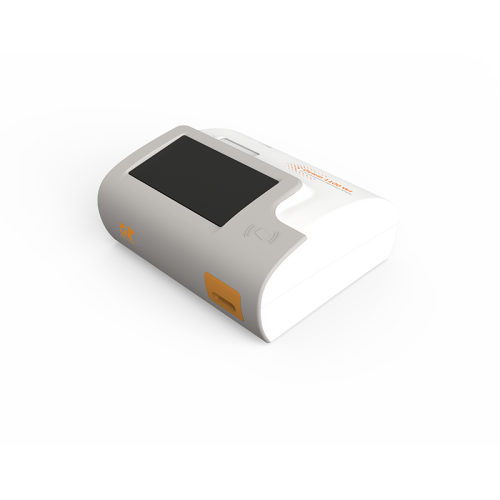
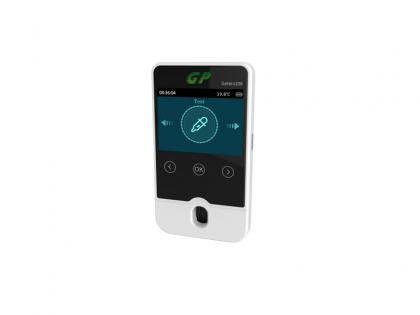
Key Features Reliable & Accurate Provide high-quality testing Advanced immunofluorescence quantitative technology Instant Testing Get results in 3-15 min One sample can be tested in 5 sec at the fastest with multiple test items Smooth Operation Automatic reading of test items Real-time auto-printing and uploading Large display, Android system, user-friendly interface Multi-scene Application Small in size, lithium-ion battery (optional) Apply to multiple scenarios Support WIFI, convenient data transmission, free of network cables Application Scenarios Vet Clinics Animal Farm Large Pet Hospital Test Menu Technical Specifications Test Principle: Immunofluorescence Sample Type: Serum, Plasma, Whole Blood, Stool, Eye Secretion, Nose Secretion, Saliva Sample Volume: 10-100 μL Dimensions: 261 mm (W) x 241 mm (D) x 115 mm (H) Weight: 2 kg Printer: Built-in thermal printer Display: 7.0-inch LCD color capacitive display, support touch and handwriting operation Language: English/Chinese
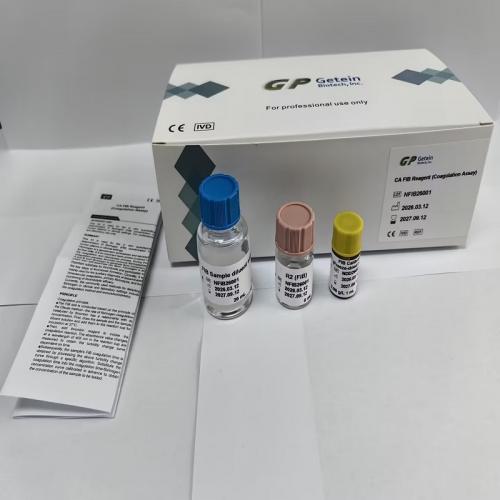
This product is intended for in vitro diagnostic use in the quality control of Fer Reagent Kit (Immunoturbidimetric Method). For professional and laboratory use only.
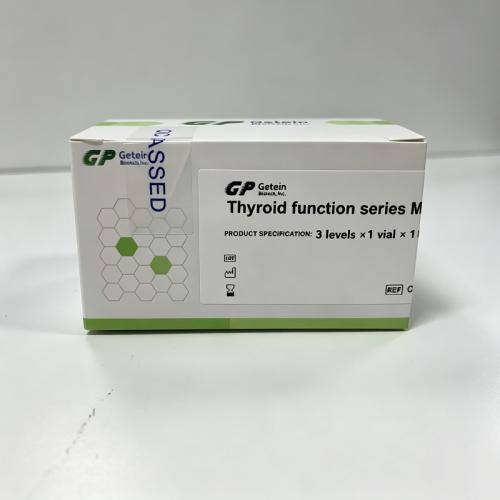
This product is intended for in vitro diagnostic use in the quality control of T3, FT3, T4, FT4, TSH, Anti-Tg, Anti-TPO, Tg), rT3, Anti-TSHR and TMAb on the Getein Platforms.
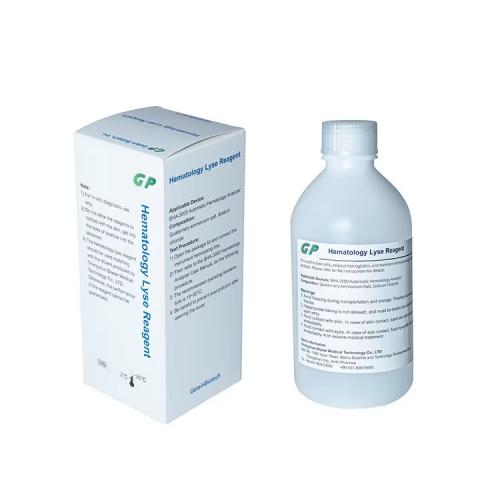
Hematology Lyser (HR-2) is used to break lysed cells, release hemoglobin, and maintain cell morphology before blood cell analysis, thereby facilitating white blood cell counting and hemoglobin determination.