Contact Getein
Solutions
  •  TORCH Diagnostics Solutions
    TORCH Diagnostics Solutions
     TORCH Diagnostics Solutions   TORCH is an acronym for a group of infectious diseases that can cause severe complications during pregnancy, potentially leading to miscarriage, birth defects, or developmental issues in the fetus. The test detects specific antibodies (IgG and IgM) in the mother's blood to determine her immune status and identify recent or active infections that pose a risk to the fetus. It is a crucial prenatal tool for identifying infections that can harm the fetus, enabling informed clinical decisions.   Application Scenarios     Features of Getein TORCH Diagnostics Test Kits ²  Suitable for different types of analyzers ²  Simple operation, easy to use ²  Need only 10 μL sample ²  Long shelf life: 36 months   Getein TORCH Solutions: TORCH Markers   Detection Platforms     T:Toxoplasmosis     Toxoplasmosis is an infection with a parasite called Toxoplasma gondii. People often get the infection from eating undercooked meat. You can also get it from contact with cat feces. The parasite can pass to a baby during pregnancy. Most people infected with the parasite do not have symptoms. Some people get flu-like symptoms. Toxoplasmosis during pregnancy may cause miscarriage and birth defects.   R:  Rubella     Rubella is an acute respiratory infectious disease. Typically, infected individuals present with mild clinical symptoms, primarily including skin rash, low-grade fever, and localized lymphadenopathy. As the rubella virus is a teratogenic pathogen, infection in susceptible pregnant women—those without protective antibodies—during early pregnancy can lead to miscarriage, stillbirth, or the birth of a child with Congenital. It is recommended that all women who are planning a pregnancy or undergoing assisted reproductive technology be screened for RV-specific IgG and IgM antibodies.   C:  Cytomegalovirus     Cytomegalovirus is one of the most common pathogens responsible for congenital infections worldwide. The virus can persist latently in various bodily fluids such as blood, urine, and breast milk, and is transmitted through multiple routes. Individuals with compromised immune function are highly susceptible to CMV infection, such as those with HIV infection, organ transplant recipients, individuals undergoing pregnancy and childbirth, and those with malignant tumors.   H: Herpes simplex      Herpes simplex virus is a widespread viral infection that affects millions of people worldwide. It belongs to the Herpesviridae family and is classified into two main types: HSV-1, which is primarily associated with oral herpes, and HSV-2, which is more commonly linked to genital herpes. Many individuals infected with HSV are asymptomatic, serological testing can detect these carriers, differentiate between HSV types, and provide strong evidence for clinical diagnosis.   Ref...
  • Comprehensive & Accurate Hormone Testing Solutions
    Comprehensive & Accurate Hormone Testing Solutions
    All You Need to Know About Hormone Testing Hormones are the chemical messengers that play a pivotal role in regulating a wide range of physiological functions in the human body, from reproductive development and fertility to mood, metabolism, and bone health. When these hormones fall out of balance, they can trigger a cascade of health issues—from irregular menstrual cycles and infertility to low energy, mood swings, and even chronic conditions. Sex hormone testing is a powerful diagnostic tool that helps healthcare providers assess hormone levels, identify imbalances, and tailor personalized treatment plans. In this guide, we’ll break down the six key hormones included in a standard sex hormone panel, their roles, and what your test results might mean. The 6 Key Hormones in a Standard Panel Each hormone in the panel serves a unique purpose, and their interactions are critical to overall health. Below is a detailed breakdown of each one: 1. Follicle-Stimulating Hormone (FSH) Role: Produced by the pituitary gland, FSH is a cornerstone of reproductive health. In women, it stimulates the growth and maturation of follicles in the ovaries—each follicle contains an immature egg. As follicles develop, they release estrogen, which signals the pituitary to regulate FSH levels. In men, FSH promotes sperm production in the testes by supporting the function of Sertoli cells, which nourish developing sperm. 2. Luteinizing Hormone (LH) Role: Another pituitary hormone, LH works in tandem with FSH to regulate the reproductive cycle. In women, a surge in LH (known as the “LH surge”) triggers ovulation—releasing a mature egg from the ovary. After ovulation, LH stimulates the remaining follicle tissue to form the corpus luteum, which produces progesterone. In men, LH stimulates the Leydig cells in the testes to produce testosterone. 3. Estradiol (E2) Role: The primary female sex hormone, estradiol is a type of estrogen produced mainly by the ovaries (in women) and in small amounts by the adrenal glands and testes (in men). In women, it drives the development of female secondary sexual characteristics (e.g., breasts, hip width) during puberty, regulates the menstrual cycle, maintains uterine lining health, and supports bone density. In men, estradiol (converted from testosterone) helps regulate libido, bone health, and sperm production. 4. Progesterone (P) Role: Produced by the corpus luteum (after ovulation in women) and the adrenal glands (in both sexes), progesterone is often called the “pregnancy hormone.” In women, it prepares the uterine lining (endometrium) for implantation of a fertilized egg and maintains the pregnancy in its early stages. It also helps balance estrogen’s effects, supporting mood and sleep. In men, progesterone is a precursor to testosterone and helps regulate sperm maturation. 5. Testosterone (T) Role: The primary male sex hormone, testosterone is produced by th...
  • Integrated Hematology, Immunochemistry and Clinical Chemistry Modular System
    Integrated Hematology, Immunochemistry and Clinical Chemistry Modular System
      The Unified Solution for Comprehensive Laboratory Diagnostics    Metis 800 Original Tubes in, All Results Out     Whole Blood Testing - One Tube Solution Whole blood testing in one tube, no centrifugation required  One-time sampling, entry, and loading shortens sample turnaround time  Pre-loaded tray for 200 samples, freeing operators' hands   Corner module and span column module can effectively utilize space and meet the personalized layout.   Metis 600 Seven Connection Modes, All Requirements Met    
  • Integrated Clinical Chemistry and Immunochemistry Modular System Solution
    Integrated Clinical Chemistry and Immunochemistry Modular System Solution
     Powering Uninterrupted Workflow Through Seamless Integration     In order to meet the needs of clinical laboratories for automation, informatization, and intelligent solutions, Getein grandly launched our modular system that integrates clinical chemistry and immunochemistry with small footprint and flexibility.   Metis 7000 Modular System     Metis 6000 Modular System  
  • Bone Metabolism Solution
    Bone Metabolism Solution
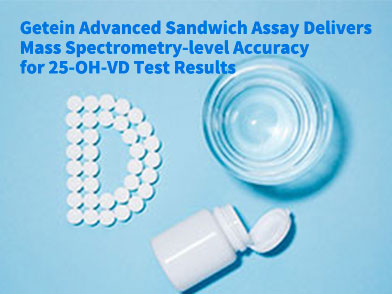
    Bone Metabolism Solution   Osteocalcin: The "Bone Protein" That Matters for Your Health Osteocalcin is a small, vitamin K-dependent protein produced by osteoblasts — the cells responsible for building new bone. It’s one of the most abundant proteins in bone tissue, playing a key role in bone mineralization by binding to calcium and helping form the hard, structural part of bones. Osteocalcin is closely tied to osteoporosis, as it reflects the activity of bone-forming cells (osteoblasts) and overall bone formation. In people with osteoporosis, osteocalcin levels are typically lower than normal — this signals that the body’s ability to build new bone is impaired, failing to keep up with bone loss.       Beyond strengthening bones, osteocalcin has surprising whole-body effects. It acts as a hormone, regulating blood sugar levels by improving insulin sensitivity and boosting energy metabolism. It also supports muscle function and may even have links to cognitive health and mood. Clinically, osteocalcin is a valuable bone turnover marker. Higher levels often indicate increased bone formation (a good sign for bone health), while abnormal levels can signal conditions like osteoporosis or bone disorders. Simple blood tests can measure it, making it a practical tool for monitoring bone health.       Vitamin D is an essential fat-soluble Vitamin for humans and an important regulatory factor in the body. It can be stored in adipose tissue and participates in blood circulation. Vitamin D is widely recognized to have multiple effects on the human body, not only involving calcium and phosphorus metabolism but also influencing muscles, cardiovascular health, metabolism, immunity, tumorigenesis, pregnancy, fetal development and so on. Recent studies have found that Vitamin D plays a significant role in diseases such as hypertension, cardiovascular diseases, diabetes, and tumors. Why Vitamin D Matters? Vitamin D deficiency can lead to various diseases. In children, it primarily manifests as rickets, while in adults it may cause osteoporosis or osteomalacia, depending on the severity of deficiency, and is also a common cause of secondary hyperparathyroidism. Particularly in elderly individuals, 25-hydroxyvitamin D levels showed significant correlation with decreased bone mineral density. Beyond skeletal disorders, research has identified potential associations between Vitamin D deficiency and multiple other conditions, including certain malignancies (such as colorectal and breast cancer), cardiovascular diseases (hypertension, atherosclerosis), metabolic disorders (type 2 diabetes), chronic kidney disease, and autoimmune diseases (multiple sclerosis, rheumatoid arthritis.   How To Get Vitamin D? The human body obtains Vitamin D through two primary pathways: sunlight exposure and dietary intake. When skin is exposed to ultraviolet B radiation in the sunlight, 7-dehydrocholesterol in the epidermis is co...
  • Gastrointestinal Health and Infection Diagnostic Solution
    Gastrointestinal Health and Infection Diagnostic Solution
    Gastrointestinal Health and Infection Diagnostic Solutions   Gastrointestinal health is a critical factor influencing overall human well-being. Digestive diseases such as Inflammatory Bowel Disease (IBD), Colorectal Cancer (CRC), and Helicobacter pylori infection, if not diagnosed and managed promptly, can significantly impact patients' quality of life. Statistics indicate that colorectal cancer is the third most common cancer globally, while H. pylori infection affects approximately half of the world's population.     Diagnostic Biomarkers for Gastrointestinal Inflammation and Infection Modern diagnostic medicine utilizes specific biomarkers to provide accurate, non-invasive testing solutions for gastrointestinal inflammatory and infectious diseases. These biomarkers facilitate early screening, disease activity assessment, and treatment efficacy monitoring. Detailed Overview of Core Diagnostic Biomarkers Calprotectin Calprotectin is a key protein complex abundant in neutrophils, serving as a highly sensitive and specific biomarker for assessing intestinal inflammation. Clinical Applications: Guideline-recommended marker for screening Inflammatory Bowel Disease (IBD) Evaluating IBD activity for optimized disease management An indicator for certain inflammatory conditions   Fecal Occult Blood (FOB) The Fecal Occult Blood Test is a simple, non-invasive diagnostic tool designed to detect hidden (occult) blood in stool samples—blood not visible to the naked eye—which often indicates underlying gastrointestinal abnormalities. Clinical Applications: Early-stage Colorectal Cancer (CRC) screening Evaluating gastrointestinal bleeding of unknown origin Routine examination for gastrointestinal disorders   H. pylori Antigen This test identifies specific bacterial antigens in stool samples, making it ideal for detecting active infections. Clinical Applications: First-line noninvasive detection of active H. pylori infection Gold-standard method for confirming H. pylori eradication post-treatment Primary diagnostic tool for evaluating gastritis and peptic ulcer disease   H. pylori Antibody This test detects antibodies (IgG, IgM, IgA) produced by the immune system in response to past or present H. pylori exposure, providing historical infection data. Clinical Applications: Epidemiological screening for H. pylori exposure history Supporting evidence for H. pylori-associated disease investigations Supplementary tool for assessing chronic gastric conditions       Clinical Application Guidelines   Test Parameter Primary Use Application Scenarios Calprotectin Intestinal inflammation assessment IBD screening and monitoring, inflammatory disease differentiation Fecal Occult Blood GI bleeding screening Early CRC screening, GI bleeding localization H. pylori Antigen Active infection diagnosis Dyspepsia etiology investigation, pre-treatment evaluation H. pylori Antibody Infection history assessment Epidemiologi...
  • Cardiac Diagnostics Solution
    Cardiac Diagnostics Solution
    A review of the total global burden and trends in cardiovascular disease over the past 30 years shows that the number of deaths from cardiovascular disease (CVD) is steadily increasing. Global trends in total CVD have significant implications for clinical practice and public health policy development. CVD is the leading cause of death worldwide and contributes to disability and rising healthcare costs.   Getein Cardiac Diagnostics Solution:     D-Dimer   D-Dimer is one of the degradation products of cross-linking fibrin. Blood clots generally start to slowly break down after they are formed, and this process releases D-dimer into the blood. The increase in D-Dimer reflects increased coagulation and fibrinolytic activity in the body.  It is therefore an indicator of both the presence or persistence of thrombus formation and secondary hyperfibrinolysis in the body. The strength of the D-dimer test is that it can be used in a hospital emergency room setting to determine the likelihood of a clot's presence.         NT-proBNP   NT-proBNP is a non-active prohormone that is released from the same molecule that produces BNP. The concentration of NT-proBNP correlates significantly with cardiac function class and left ventricular ejection fraction, and is one of the most sensitive and specific biological indicators of cardiac dysfunction. In clinical practice, NT-proBNP is commonly used in the diagnostic evaluation of heart failure and in the early screening of cardiac function in high-risk patients.       cTnI/CK-MB/Myo  Troponin I (cTnI), CK-MB and Myoglobin (Myo) each have their irreplaceable value in diagnosing acute heart attacks. cTnI has the best sensitivity and specificity but appears later in the blood. CK-MB appears in the blood at a similar time to cTnI but has a shorter half-life and can be used to detect secondary infarction. Myo is the only marker used for early diagnosis (< 2 hours). The triple test is more valuable than cTnI, CK-MB, or Myo alone.    
  • Thyroid Function Diagnostics Solution
    Thyroid Function Diagnostics Solution
    Thyroid disease is a global health problem that can substantially impact well-being, particularly in pregnancy and childhood. Statistics show that thyroid conditions are 5 to 10 times more common in women compared to men. Hormones released by the thyroid gland play a crucial role in stimulating metabolism, growth, and calories processing.   Hypothalamus-Pituitary-Thyroid Axis The hypothalamus-pituitary-thyroid (HPT) axis primarily functions to maintain normal circulating levels of thyroid hormones that are essential for the biological function of our tissues.     Signs and Symptoms of Thyroid Diseases     Features of Getein Thyroid Function Diagnostics Test Kits   Suitable for different types of analyzers Simple operation, easy to use Rapid: Get result in 15 minutes Stable: Store at room temperature Long shelf life: 24 months   Clinical Applications   Test Item Clinical Significance TSH The most sensitive biomarker for thyroid function Diagnosis of subclinical thyroid dysfunction (subclinical hyperthyroidism and subclinical hypothyroidism) Monitoring the efficacy of levothyroxine (L-T4) replacement therapy for primary hypothyroidism Central hypothyroidism (pituitary and hypothalamic) T3  T4 Direct indicators of thyroid function, but affected by TBG concentration High levels of T3 and T4 often indicate an overactive thyroid, whereas low levels indicate an underactive thyroid T3 is more sensitive to the diagnosis of mild hyperthyroidism, early hyperthyroidism and recurrence of hyperthyroidism after treatment T4 decreases more obviously in hypothyroidism fT3   fT4 Not affected by TBG concentration Better indicators in the diagnosis of hyperthyroidism compared to T3 and T4 fT3 is a better indicator in monitoring the treatment efficacy of hyperthyroidism compared to fT4   Parameters     References Ponto KA, Kahaly GJ. Autoimmune thyrotoxicosis: diagnostic challenges. The American Journal of Medicine. Lechan RM, Hollenberg A, Fekete C. Hypothalamic-pituitary-thyroid axis: organization, neural/endocrine control of TRH. In: Squire LR, ed. Encyclopedia of Neuroscience. Oxford, UK: Academic Press; 2009:75-87. Thyroid Function Tests. American Thyroid Association.  
1 2

A total of 2 pages

Leave your message here should you be interested by any of our product offerings, we will get back to you in minimal delay.

Leave A Message

Leave A Message
Leave your message here should you be interested by any of our product offerings, we will get back to you in minimal delay.

Home

Products

contact

service