June 2026
The Echo of Tuberculosis in Your Immune System: Understanding TB-IGRA
I. A Disease That Has Never Faded
Tuberculosis (TB) is one of the world‘s oldest and most persistent infectious diseases, causing over 10 million new cases and 1.3 million deaths annually. It primarily affects the lungs but can spread via the bloodstream to bones, kidneys, the brain, and lymph nodes. The greatest challenge: Infection ≠ disease. About a quarter of the global population carries Mycobacterium tuberculosis without symptoms and without being contagious — a state known as latent TB infection (LTBI). However, when immunity wanes — due to aging, diabetes, HIV, or immunosuppressive therapy — the dormant bacteria may reactivate, causing active TB.
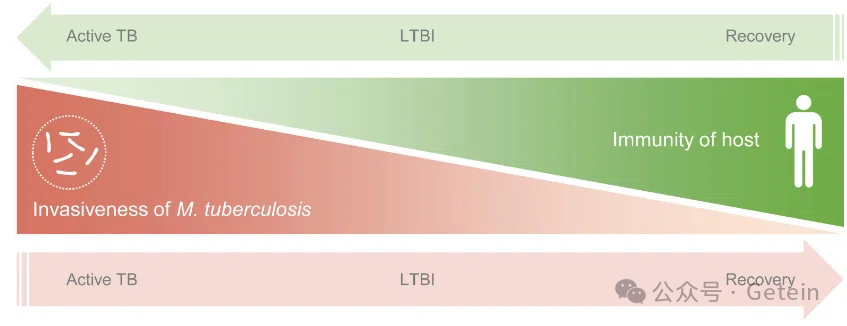
Thus, modern TB control is not just about finding active cases, but identifying who carries the bacteria and is at future risk. To do this, we need a tool that detects the immune system's memory of TB, not the bacterium itself. That tool is TB-IGRA.
II. What Is TB-IGRA?
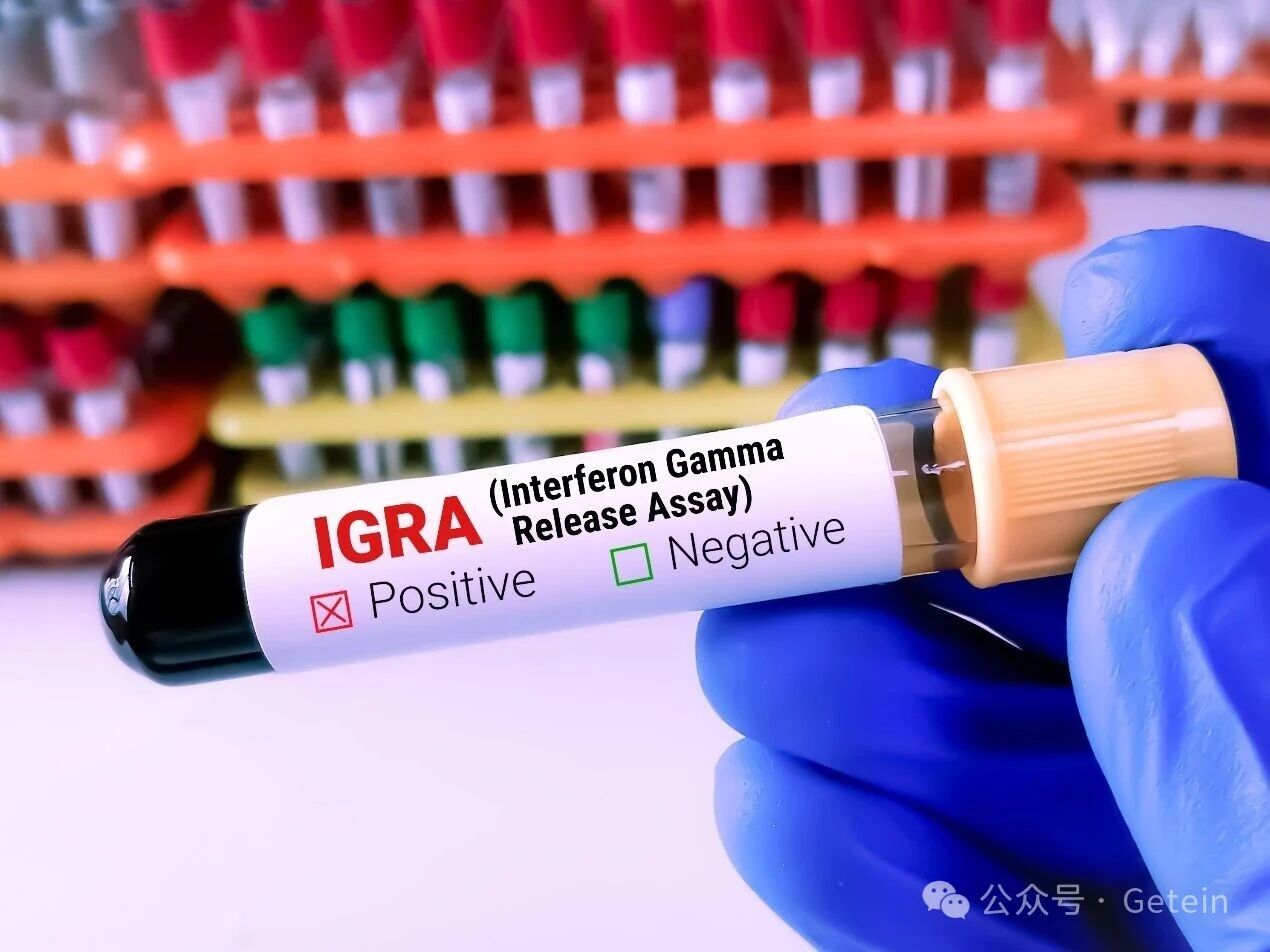
TB-IGRA (Tuberculosis Interferon-Gamma Release Assay) is a blood test that does not look for the bacteria itself, but instead asks your immune system whether it has ever encountered TB. During the test, a blood sample is stimulated with TB-specific antigens. If T-cells recognize these antigens, they release interferon-gamma (IFN-γ), which is then quantitatively measured. A result above the threshold is positive; below is negative.
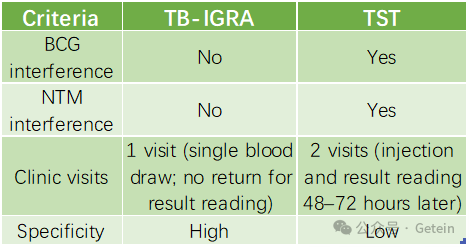
Its key advantage over traditional skin tests (TST) is that the antigens used are absent from BCG and most non-tuberculous mycobacteria (NTM), making TB-IGRA more specific and reliable. Additionally, it requires only a single blood draw with no need for a second visit, avoiding false positives caused by BCG vaccination.
III. Priority Groups for TB-IGRA Detection
TB-IGRA is primarily recommended for the following high-risk groups:
①Close contacts of active TB patients (especially household contacts);
②Patients about to start immunosuppressive therapy (e.g., TNF inhibitors);
③Organ or stem cell transplant candidates;
④HIV-positive individuals;
⑤Immigrants from high TB burden countries.
IV. Clinical Value of TB-IGRA
Key clinical applications of TB-IGRA include the following:
Aiding in the diagnosis of active TB: When a patient has symptoms or imaging findings suggestive of TB, but sputum smear is negative, a positive IGRA result can support clinical suspicion.
Guiding preventive therapy decisions: A positive result indicates infection, but it cannot distinguish between latent and active TB. The decision to start preventive therapy should be made by a physician based on age, immune status, and underlying conditions.
Excluding infection: In immunocompetent individuals, a negative result essentially rules out TB infection, avoiding unnecessary testing and anxiety.
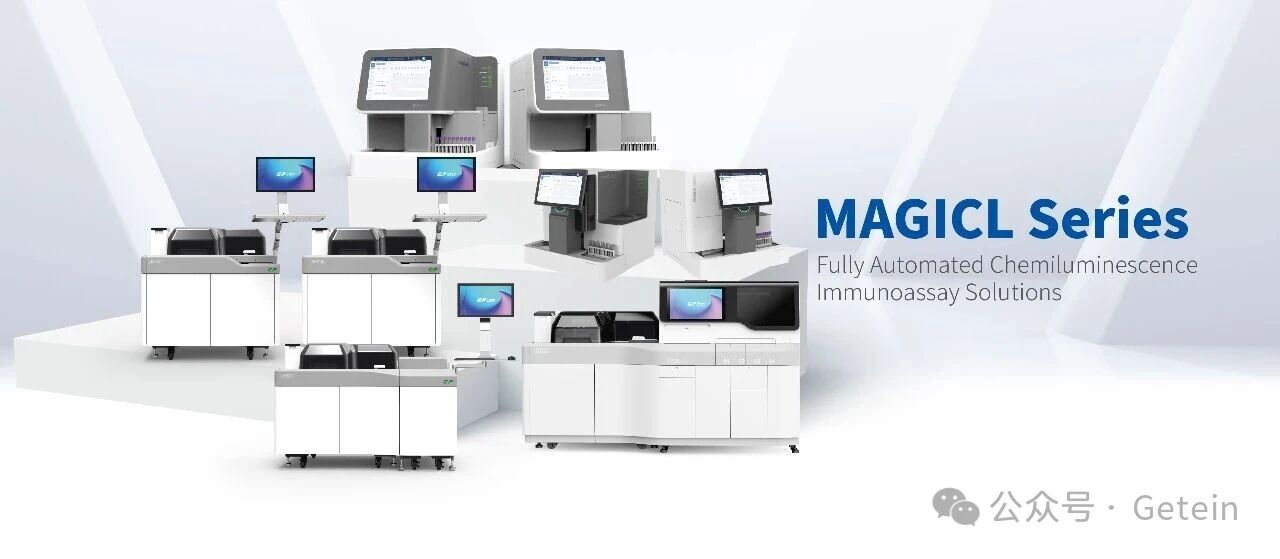
Our Solution for TB-IGRA Detection


Open WeChat and Scan the QR Code. Stay Tuned with Us.



