Contact Getein
Knowledge Center
  • Heat Stroke Can Sneak up on You —— Know for Your Family
    Heat Stroke Can Sneak up on You —— Know for Your Family
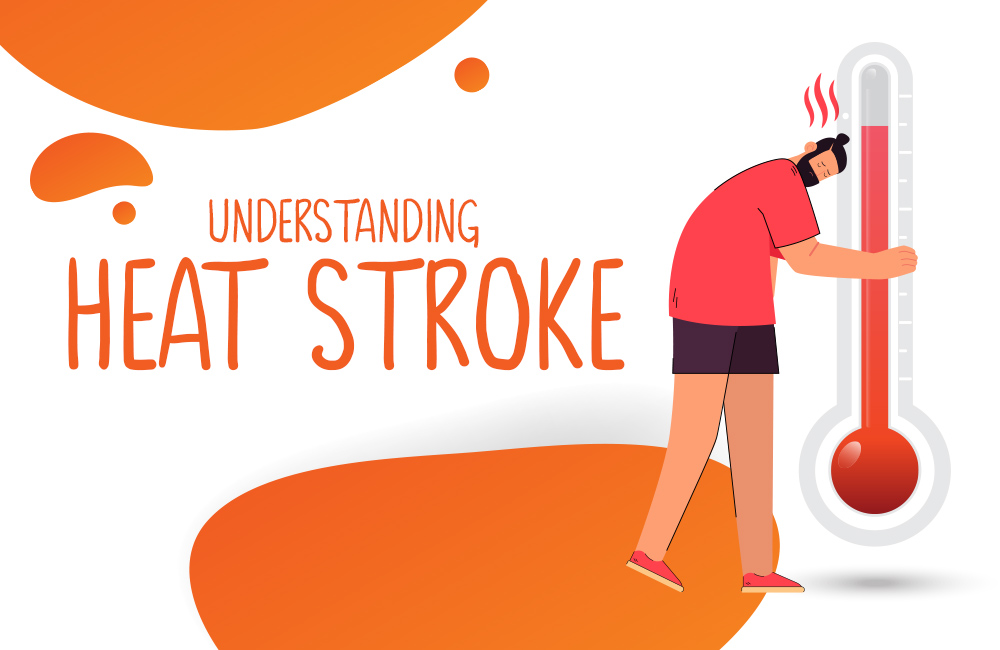
    Heat Stroke Can Sneak up on You —— Know for Your Family Tragic! A mother passed away from heat stroke as she selflessly gave the fan to her child on a hot summer day! According to a recent news report in Zhejiang, China, a woman in her thirties suffered from severe heat stroke. On a scorching day, she didn't turn on the air conditioner at home and gave the fan to her child. By the time her family realized she wasn’t well enough and took her to the hospital, she had already fallen into a deep coma. Despite of all doctors' efforts, nothing the doctors could do to help. The weather is heating up, and as the temperature rises, so does the risk of heat stroke. We aren't talking about simply feeling hot, or uncomfortable, or sweating excessively. Heat stroke is life threatening emergency!  
  • Dengue Fever Global Summary
    Dengue Fever Global Summary
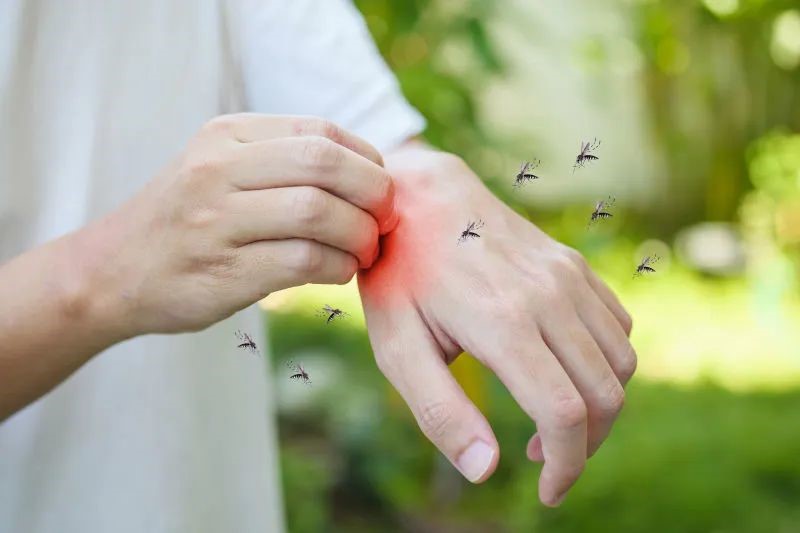
        As of November 20 of this year, a total of 52,807 laboratory-confirmed dengue cases and 230 associated deaths have been reported in Bangladesh this year, with a case fatality rate of 0.44%. Although dengue is a common endemic disease in Bangladesh, a surge in cases since June 2022 remains unusual.  Several studies suggest that this year's high incidence of dengue cases is occurring against a backdrop of unusual rainfall since June 2022, accompanied by high temperatures and high humidity, leading to an increase in mosquito populations across Bangladesh.   Dengue fever is an acute systemic infectious disease caused by the bite of a female mosquito carrying the Dengue virus (DENV)[1]. Dengue fever infects approximately 390 million people annually and affecting more than 120 countries, most severely in Africa, the Americas, Southeast Asia and the Western Pacific [2]. The spread of Dengue fever is now spreading to temperate and cold zones and higher altitudes as global warming increases, and the prevalence of serotypes is changing. Dengue fever has become a significant public health problem, and the increasing geographical spread of the virus, the number of cases and the severity of the disease pose a global threat to human health and socioeconomics [3].   1. Serotype   2. Vectors DENV is transmitted by two mosquito vectors, Aedes aegypti and Aedes albopictus [8]. DENV can be transmitted vertically. Aedes aegypti and Aedes albopictus prefer temperate climates. Domestic water storage and decorative plant containers, waste food and drink containers, drains, and buildings under construction are preferred sites for Aedes aegypti and Aedes albopictus to live and breed. One of the current measures to contain DF is to control the DENV vector by eliminating or managing the larval environment and using biological agents and insecticides to kill the larvae [9].   3. Global Epidemiology Resource:Healthdirect   Dengue fever is endemic in many countries in Southeast and South Asia, with incidences occurring throughout the year and showing clear seasonal peaks. Since June 2022, Pakistan has been hit by massive floods. The floods provided a habitat for mosquitoes to breed, and the aftermath made mosquito-borne infections susceptible to outbreaks or epidemics. September saw a surge in Dengue cases in Pakistan, with 19,190 new cases, accounting for 74% of the annual total. Throughout 2022, the cumulative number of Dengue cases in Pakistan has significantly exceeded the level of the same period in the previous four years [10]. The risk of further spread in Pakistan is high due to heavy rains and flooding, which have damaged many health facilities and displaced 7.9 million people. In Nepal, the number of Dengue cases has risen since the onset of the rainy season in July, with 23 156 new cases in September, accounting for 84% of the annual total. In Bangladesh, the Ministry of Health and Family Welfare ...

  • Introduction of Getein Biotech, Inc.
    Introduction of Getein Biotech, Inc.
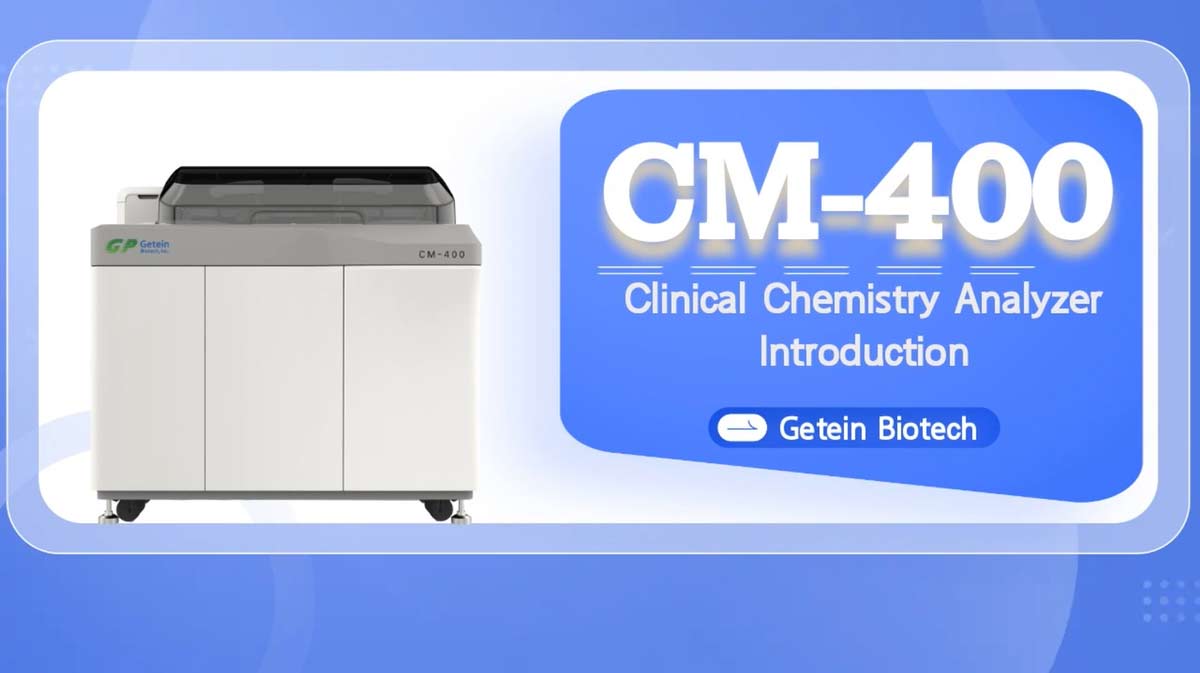
    Please click the video to view the company profile of Getein Biotech
  • Why is HbA1c more convincing regarding sugar control?
    Why is HbA1c more convincing regarding sugar control?
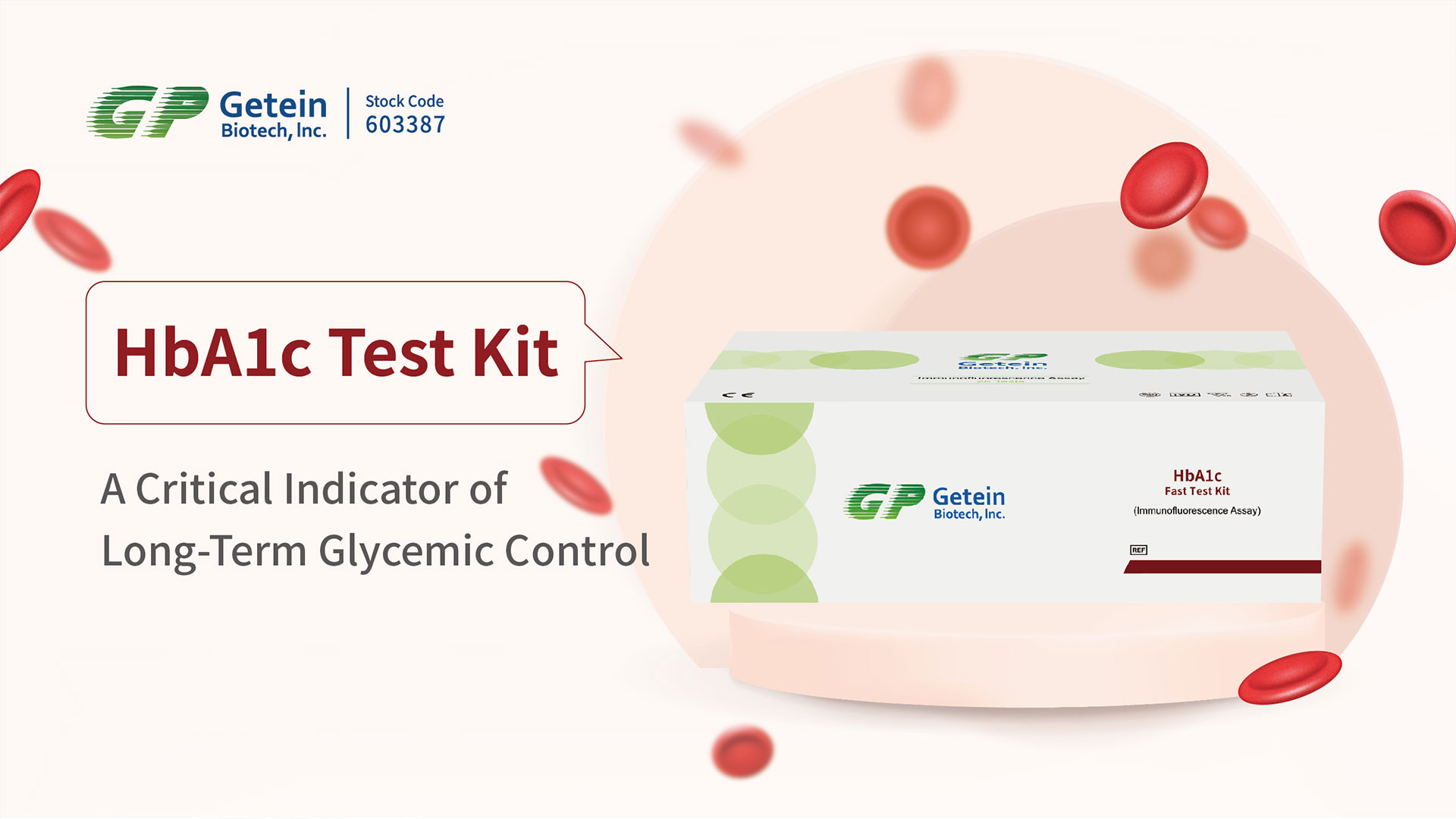
    Why is HbA1c more convincing regarding good or bad blood sugar control? HbA1c is a "powerhouse" of a diagnostic test, according to the American Diabetes Association.   What is the HbA1c test? The HbA1c blood test measures how much blood sugar is attached to your hemoglobin. A1C stands for glycated hemoglobin. Glycated hemoglobin describes how your red blood cells (containing a protein called hemoglobin) become loaded with sugar. As sugar circulates in your bloodstream (such as after eating), it sticks to the hemoglobin in your red blood cells. Sugar is sticky, and in your body, it stays attached to your hemoglobin for up to 3 months (the average lifespan of your red blood cells). The more sugar in your bloodstream, the more red blood cells are covered with sugar molecules. The HbA1c test measures the percentage of the hemoglobin in your red blood cells covered in sugar. So the higher your average blood sugar level for the past three months, the higher the number of "sugary" red blood cells, and the higher your HbA1c test result. What are normal HbA1c ranges? The A1C test is like a baseball player's season average for you sports statheads — it tells you about a player's overall success. However, your A1C does not mean you know about your blood sugar for just one day, just like a player's single-game batting record won't tell you if they are a good player. For adults, healthcare providers use the following HbA1c target ranges[1]:    The goal for most adults with diabetes is an A1C that is less than 7%. But, just as a younger, stronger baseball player may have a better season average than an 80-year-old grandfather with poor eyesight, HbA1cs vary significantly with age.   At what conditions should you check your HbA1C? The CDC recommends getting a baseline A1C test if you're an adult over age 45 or are under 45, are overweight, and have one or more risk factors for prediabetes or type 2 diabetes[2]. You are at risk for diabetes if you[2]:   How to lower your HbA1c levels If your levels have exceeded your target since your last check, it's understandable to worry. Even a slightly high HbA1c level puts you at risk of developing severe complications in your body. But knowing your numbers and what that means is an essential and good first step – now you need to know how to lower them. Lots of things can cause your HbA1c levels to change, and there are actions you and your healthcare team can take to bring them down to your target level: Your diabetes team may need to review your medication and increase the dose or try a new one. Ask them about local diabetes education courses – there's always more to learn about diabetes, and an approach will help you take practical steps to lower your HbA1c. Get more active – moving more is suitable for everyone, but it can help decrease your HbA1c levels. Get advice on balanced, healthy eating. Stop smoking – smoking makes it harder for blood to flow around y...
  • 【Getein Science】Enter the World of Chemiluminescence
    【Getein Science】Enter the World of Chemiluminescence
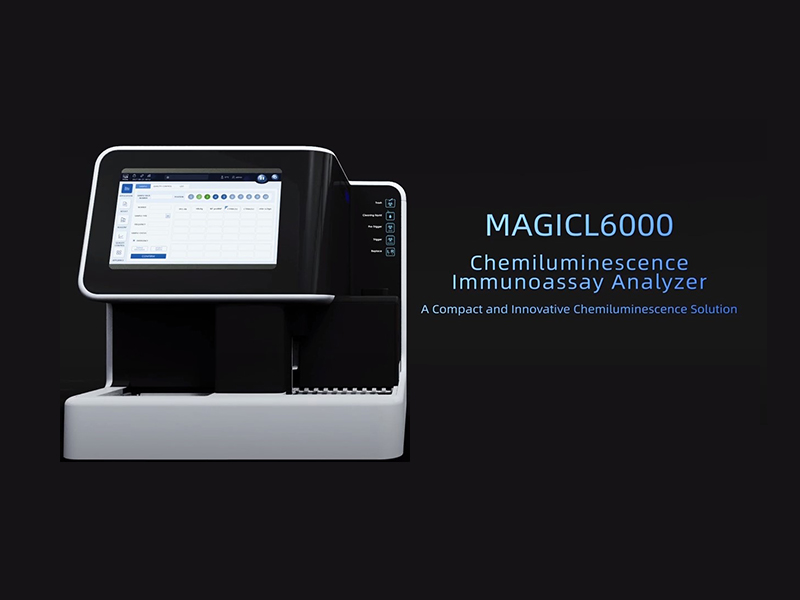
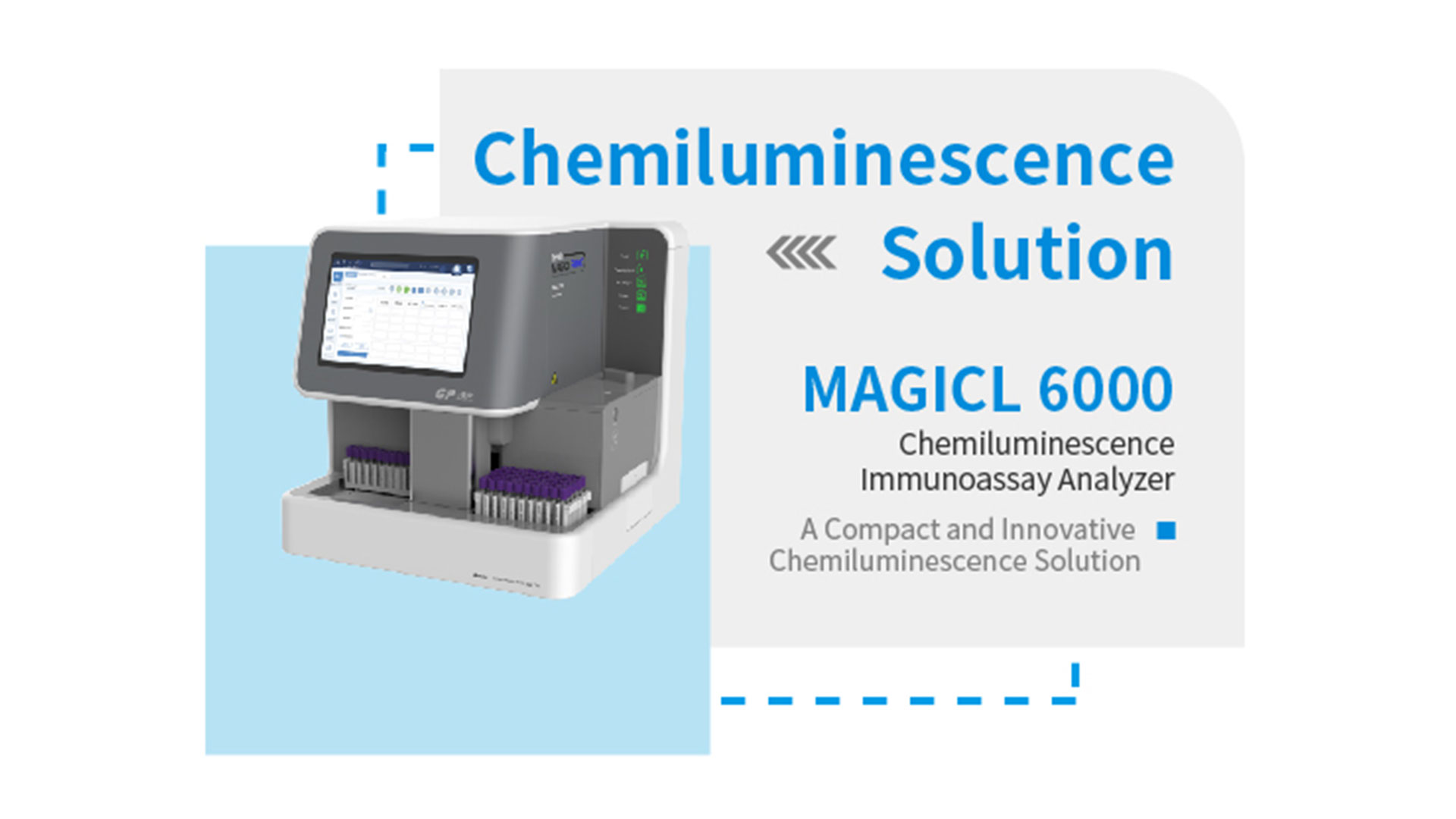
    Enter the World of Chemiluminescence   What is Chemiluminescence The term "chemiluminescence" was first coined by Eilhardt Weidemann (1888). Chemiluminescence, the phenomenon observed when a product that has been stimulated exogenously into an excited state relaxes to its ground state and emits photons, can be defined in simple terms: the emission of light in a chemical reaction. Historical Background of Chemiluminescence A breakthrough from traditional immunoassays was the pioneering work of Yalow and Berson, the American scientists who first used radioimmunoassay (RIA) for the determination of insulin in 1959. Since the 1970s, various non-radiolabeling methods have been gradually developed. In 1977, Tsuji et al. developed a non-radiolabeled immunoassay based on the basic principles of radioimmunoassay, using labeled luminol as a tracer signal. The chemiluminescence of enzymes was combined with the immune reaction to develop the chemiluminescence immunoassay (CLIA).   Advantages of Chemiluminescent Immunoassay Technology The advantages of CLIA over RIA, EIA, and FIA are (1) No radiation hazard; (2) High sensitivity, with a linear range of detection of 6 orders of magnitude and a lower limit of 10-21 mol; (3) Stable luminescent markers with long validity; (4) Easy to achieve automated operation; (5) Wide range of applications, can detect antigens, semi-antigens, and antibodies of different molecular sizes, and can also be used for the detection of nucleic acid probes.   Basic Principles of Chemiluminescence Immunoassay Chemiluminescence analysis is a combination of chemiluminescence and immunoassay. It offers both the high sensitivity of chemiluminescence and the high selectivity of immunoassay.  CLIA involves the labeling of an antigen or antibody with a chemiluminescent reagent (luminol or catalyst, etc.), the labeling of the antigen/antibody and the substance to be measured after a series of immunological and physicochemical steps (centrifugation, washing, etc.), and the final determination of the substance to be measured in the form of luminescence intensity. Take Getein's acridine ester direct luminescence methodology as an example: the antibodies are labeled separately with acridine ester and magnetic beads, and after the immunoconjugate reaction between the labeled antibody and the antigen in the substance to be tested, a bead-coated antibody-antigen-acridine ester labeled antibody complex is formed. All that is required is the addition of an oxidizing agent to create an alkaline environment with NaOH, and the acridine anchorite can then directly emit light. The photon energy produced per unit time is recorded and the amount of the substance to be measured can be calculated from the standard curve. Main types of chemiluminescent immunoassays Depending on the marker, CLIA can be divided into three main categories: direct chemiluminescence, enzymatic chemiluminescence and electrochemiluminescence immunoassa...
1 2 3 4 5 6

A total of 6 pages

Leave your message here should you be interested by any of our product offerings, we will get back to you in minimal delay.

Leave A Message

Leave A Message
Leave your message here should you be interested by any of our product offerings, we will get back to you in minimal delay.

Home

Products

contact

service